Why You Have To Play Chess: The Benefits of Participating In This Ageless Intellectual Obstacle
Chess is greater than a straightforward video game; it acts as an extensive psychological workout that sharpens different cognitive abilities. Players engage in calculated reasoning and create analytic capabilities, which can have lasting advantages in day-to-day life. The discipline required for renovation cultivates patience and resilience. The real essence of chess exists not just in its intellectual needs but in the links it fosters within a neighborhood. Checking out these dimensions discloses much regarding why chess continues to be timeless.
Enhancing Cognitive Skills
Playing chess significantly boosts cognitive abilities, making it an important activity for people of all ages. The game demands critical reasoning and foresight, needing gamers to expect their challenger's actions while formulating a winning approach. This mental workout hones emphasis and focus, important elements of cognitive function.
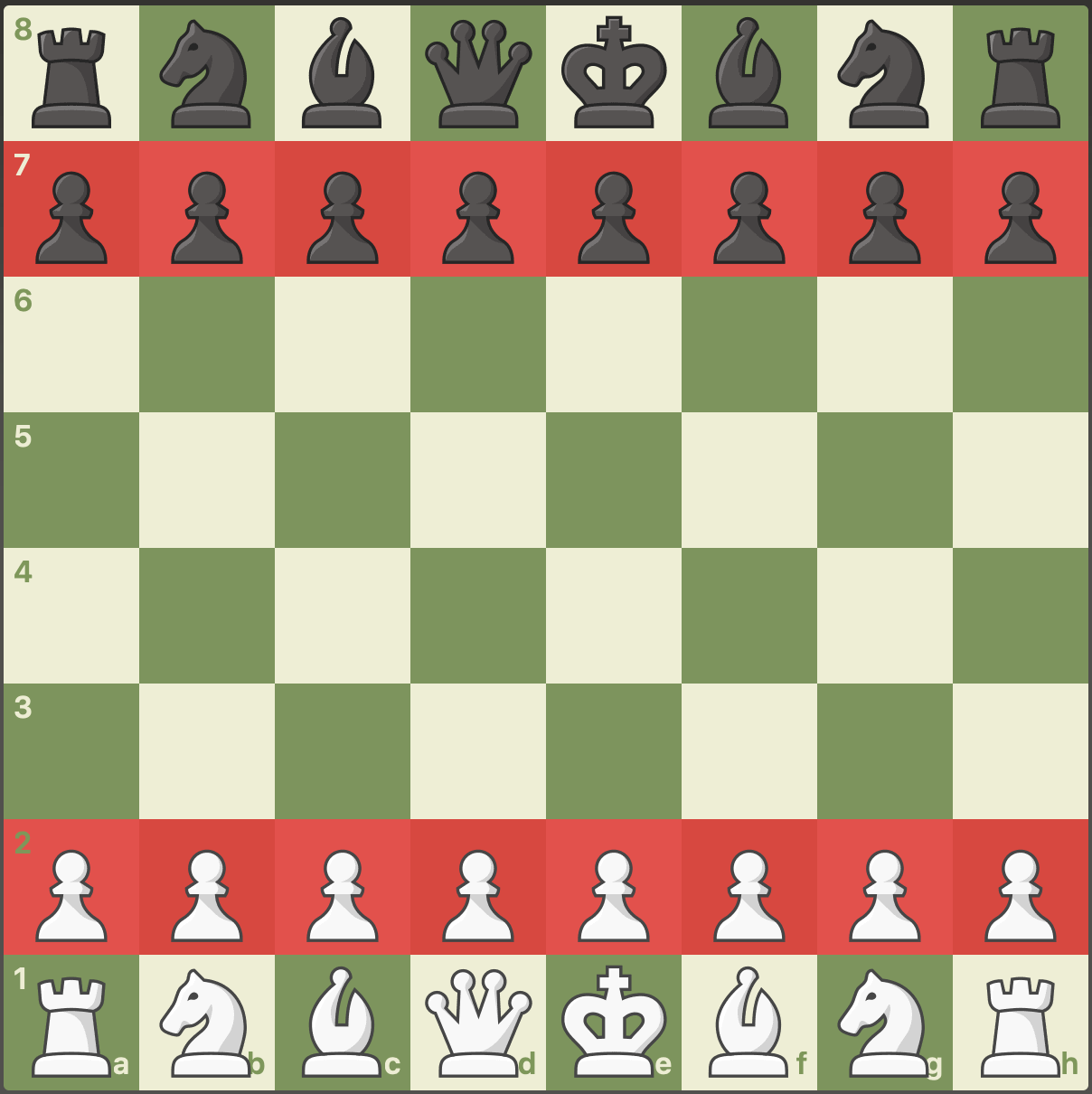
Furthermore, chess encourages creativity, triggering players to discover innovative strategies and non-traditional techniques to the video game. As they navigate the chessboard, people develop persistence and strength, necessary characteristics for cognitive growth. Overall, the diverse cognitive benefits of chess make it an enriching search, promoting long-lasting psychological dexterity and intellectual involvement.
Increasing Problem-Solving Abilities
Many studies have actually shown that participating in chess can substantially increase analytical capacities. The video game requires players to analyze complicated settings and expect the challenger's actions, promoting crucial assuming skills. As they navigate various situations, chess gamers establish the ability to assess numerous results and make critical choices under stress. This process improves their ability to approach real-life problems with a structured frame of mind.
Moreover, chess promotes the recognition of patterns and the application of logical reasoning, skills that are essential in reliable analytic. Gamers learn to assess dangers and benefits, refining their judgment in unsure situations. The repetitive nature of chess play enhances these skills, enabling people to transfer their enhanced analytical capacities to scholastic and professional contexts. Eventually, chess serves as a valuable tool for anybody looking for to develop their logical skills and boost their overall cognitive functioning in tough circumstances.
Cultivating Patience and Self-control
While engaging in chess can be an amazing experience, it also needs a considerable degree of persistence and self-control. Players have to find out to meticulously think about each action, evaluating potential end results and approaches. This thoughtful method cultivates a way of thinking that values lasting success over instant satisfaction. In chess, rash choices frequently bring about unfavorable repercussions, reinforcing the importance of taking one's time to analyze the board and prepare for a challenger's responses.

Technique is further cultivated via constant practice and study. Players commonly devote hours to boosting their abilities, studying methods, and evaluating previous games. This commitment to grasping the game instills a feeling of responsibility and determination, vital characteristics that prolong beyond the chessboard. Inevitably, the mix of persistence and self-control not only improves a gamer's chess capabilities but additionally adds to individual development, equipping individuals with important tools for navigating obstacles in various elements of life.
Promoting Creativity and Creative Imagination
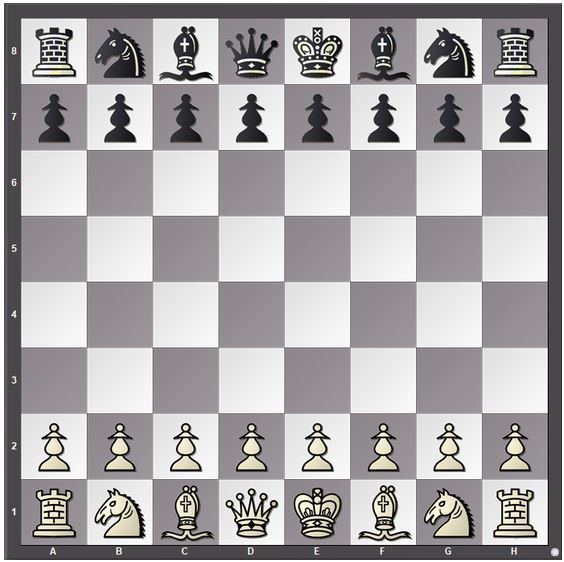
Planning relocations includes not just reasoning however also the capacity to expect a challenger's reactions, motivating players to picture multiple pathways and options. As gamers explore various techniques, they discover to introduce and adapt, enhancing their imaginative problem-solving skills.
The game's intricacy invites players to explore non-traditional ideas and techniques, leading to personal designs of play - Chess. This exploration nurtures a sense of artistic expression, as each player crafts their own technique to obstacles on the board. Ultimately, chess ends up being a canvas for creativity, permitting individuals to share their unique point of views while developing their imaginative capabilities
Building Social Connections and Community
Playing chess supplies chances for people to network with events and local chess clubs. These settings foster connections among gamers, developing a sense of neighborhood focused around a common interest. Taking part in these tasks not just boosts skills yet likewise develops long-term relationships.
Networking Via Tournaments
When individuals engage in chess tournaments, they often discover themselves engaged in a lively community of similar people. These events supply an outstanding system for gamers to forge connections, share approaches, and celebrate their enthusiasm for the game. Participating in pleasant competition cultivates camaraderie, as players from diverse histories integrated to test each other. Networking opportunities abound, with lots of individuals forming lasting relationships that prolong past the chessboard. In addition, these tournaments usually attract enrollers and chess fanatics, further boosting the capacity for expert connections. As gamers participate in discussions concerning strategies and experiences, they construct a network that can lead to future partnerships and chances within the chess world and past.
Local Chess Clubs

Providing a Fun and Engaging Difficulty
Chess supplies an uniquely promoting experience that astounds gamers of all ages, as it combines critical thinking with the adventure of competitors. This ageless game provides a compelling challenge, motivating people to think seriously and creatively. Each match unravels as a battle of wits, where gamers must anticipate their challenger's moves while developing their very own techniques.
The intellectual interaction chess supplies is matched by its capability to captivate. Players commonly discover themselves submersed in the game, shedding track of time as they navigate complicated positions and tactical issues (Chess). This heightened focus promotes a sense of success, specifically when a challenging step results in triumph
Additionally, chess promotes social interaction, enabling players to bond over shared experiences and challenges. The game's countless variations guarantee that no two sessions are alike, maintaining participants passionate to improve their skills and approaches. This vibrant mix of difficulty and enjoyment makes chess an irresistible pursuit.
Regularly Asked Inquiries
Can Chess Be Played Online or personally?
Chess can be played both online and face to face. On-line systems provide players the convenience of completing versus challengers worldwide, while in-person video games foster social interaction and physical presence, improving the total experience.
What Age Is Best to Begin Learning Chess?
Professionals recommend that youngsters can begin learning chess as very early as age five or six. At this age, they can grasp fundamental principles, improving cognitive abilities while promoting a love for the video game that lasts a life time.
Exist Chess Tournaments for Beginners?
Yes, there are chess tournaments especially developed for novices. These events provide a supportive environment for newbie players to gain experience, enhance their abilities, and appreciate the affordable spirit of chess without encountering sophisticated opponents.
How much time Does It Require To Become Skillful at Chess?
Ending up being efficient at chess usually needs constant practice over several months to find this years. Factors such as individual commitment, previous experience, and research of techniques significantly affect the time needed to get to a proficient level.
What Resources Are Offered for Understanding Chess Strategies?
Various sources exist for finding out chess techniques, including on the internet tutorials, books by distinguished authors, chess apps, and interactive sites. Many gamers additionally gain from joining local clubs or joining on the internet forums for real-time understandings.